
21 May 2025
Post-Acne Marks: What Works & What Doesn’t for Acne-Prone Skin
Even after acne settles, the marks it leaves behind can linger for weeks or even months. These post-acne spots are common, but the good news is, many of them ca
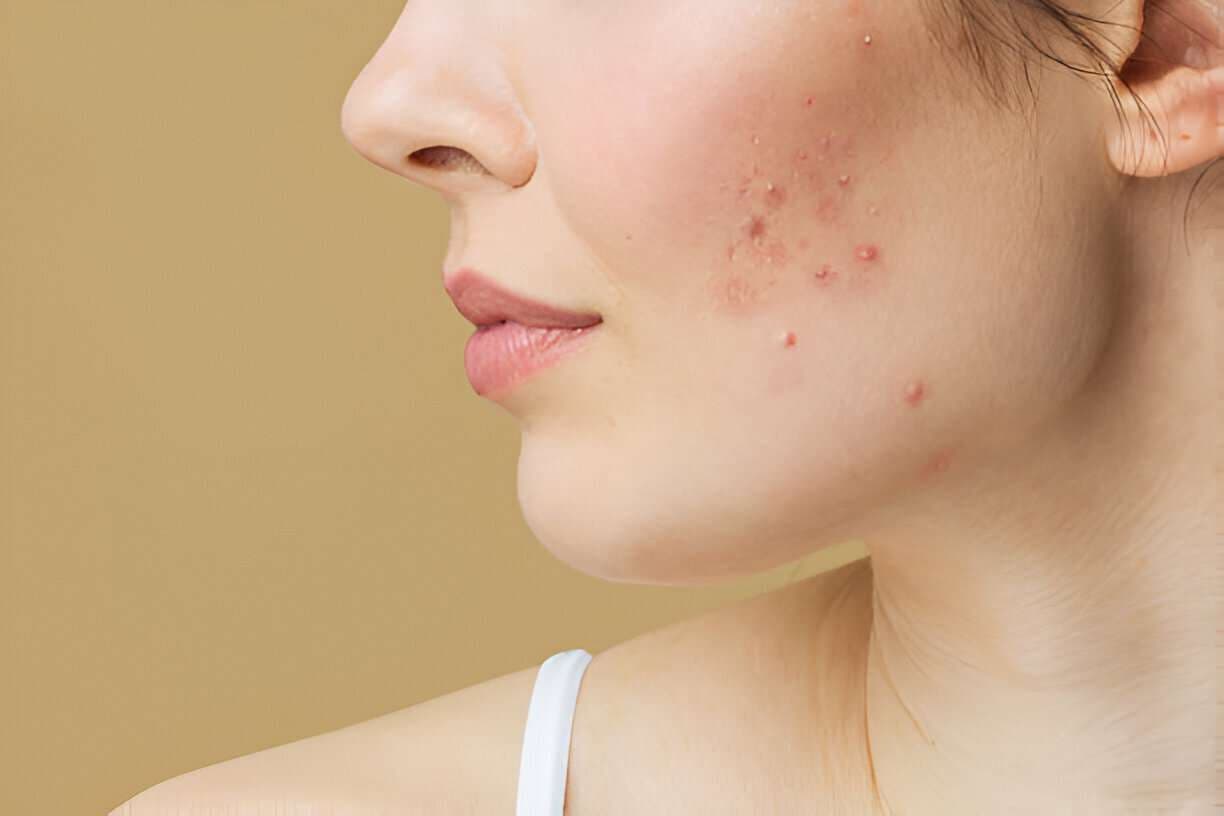
Even after acne settles, the marks it leaves behind can linger for weeks or even months. These post-acne spots are common, but the good news is, many of them can be treated effectively. Here’s what you need to know:
Types of Post-Acne Marks
- Post-inflammatory hyperpigmentation (PIH) – Brown spots left behind after acne lesions heal.
- Post-inflammatory erythema (PIE) – Red or pink marks, more common in lighter skin tones.
- Acne scars – Indentations or textural changes that often require advanced treatment.
What Works
- Sunscreen: Daily SPF is a must. Sun exposure can worsen pigmentation from acne marks.
Key ingredients:
- Niacinamide: Soothes inflammation and fades acne-related pigmentation
- Azelaic acid: Works well on both dark and red acne marks
- Vitamin C: Brightens skin and helps even tone
- Retinoids: Promote skin renewal and improve acne texture over time
- In-clinic treatments: Chemical peels, microneedling, and lasers can accelerate results, especially for stubborn acne scars.
What Doesn’t Work
- Scrubbing the skin: Won’t remove acne marks and may cause more irritation
- DIY home remedies like lemon or toothpaste: Often cause more harm than good
- Using too many actives together: Can damage your barrier, delay healing, and worsen acne
When to Seek Help
If your post-acne marks aren’t improving or you’re dealing with scarring, a customised treatment plan from a dermatologist can help restore your skin more safely and effectively.
Leave a comment
Share your thoughts
Your email address will not be published. Required fields are marked.